Lawn Mowing in Cricklewood

Lawn mowing in Cricklewood should feel straightforward, tidy and consistent. Our service focuses on keeping domestic and shared green spaces neatly cut, with edging and finish work that helps the lawn look cared for rather than simply shortened. Whether the grass needs a regular cut through the growing season or a one-off tidy-up after a delay, the aim is the same: a clean result that suits the condition of the turf and the layout of the garden.
We also look beyond the obvious cut, because a lawn often needs a little more than a pass with a mower. Grass height, wet patches, narrow access, borders, paths and nearby planting all affect how the work is carried out. In practical terms, that means choosing the right approach for the garden, keeping movement controlled and leaving the space neat when the mowing is complete. If you want to compare options and costs, you can start by asking for a quotation.
For homes, rented properties and managed outdoor spaces, regular mowing supports a better overall finish and makes later garden care easier. It can be combined with seasonal tidying, hedge work or wider maintenance when the site needs a broader refresh. We keep the service focused on the lawn itself, while still working carefully around the rest of the garden so the result looks intentional. If you are ready to plan the work, please get in touch for a quotation.
Regular grass cutting and tidy lawn care

Regular mowing is usually the simplest way to keep a lawn manageable, especially where the grass is part of an open front garden, a shared rear space or a small courtyard. A consistent cut helps avoid the uneven look that builds up when growth is left too long, and it also makes subsequent visits quicker and more predictable. In many gardens, the difference is not only visual; a sensible cutting pattern can help the lawn remain easier to maintain week after week.
We can work to a repeat mowing pattern or handle a one-off visit where the grass has grown beyond the usual height. A suitable cut depends on the state of the lawn, the season and how much growth has appeared since the last visit. Very short cuts are not always best, so the approach should respect the condition of the turf. If the surface is damp, uneven or interrupted by ornaments, lines and borders, a careful hand matters more than rushing through the job.
What a neat mowing visit may include
A well-finished lawn visit often involves more than mowing alone. Where useful, we can trim the edges, keep the boundary lines clean and make sure the cut sits neatly beside paving, beds and fence lines. Typical care may include:
- cutting the grass to a suitable height for the site
- treating the edges so the lawn has a sharper outline
- working around borders, paths and fixed garden features
- leaving the area tidy once the cutting is complete
Finishing touches that improve the look of the garden

The quality of lawn mowing is often judged by the finish. A cut grass surface can still look untidy if the edges are rough, clippings are left in clumps or the mower lines are not handled with care. We pay attention to the visual finish so that the lawn looks better from the house, the path or the main sitting area. That matters in smaller gardens where every detail is visible, but it also helps larger spaces appear more deliberate and easier to use.
Depending on the garden, the finish may include edging against paving, light trimming where the mower cannot reach cleanly and a final check around entrances or narrow sections. These details are especially helpful where the lawn meets flower beds, trees, walls or planters, because the mowing itself is only part of the job. A tidy finish also makes the garden easier to hand over, whether it is for everyday use, a letting arrangement or a general refresh.
Good mowing is about more than speed. It is about leaving the lawn with a balanced appearance that suits the rest of the outdoor space. If the grass has been left to grow unevenly, or if earlier cuts have missed the edges, a more careful pass can restore order without overworking the turf. To discuss the finish you want, ask for a quotation.
Access, lawn condition and practical preparation
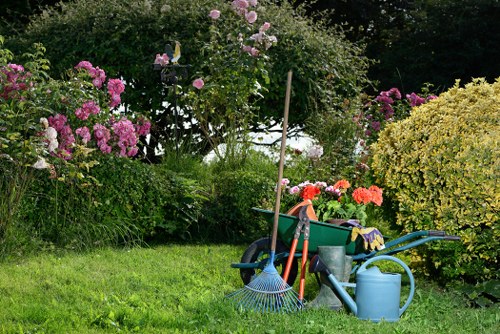
Before mowing begins, the main practical questions are usually access, lawn condition and anything that might affect the route through the garden. That can include gates, narrow side passages, wet patches, low obstacles or areas that have been used for storage. It helps to know whether the grass is open and easy to reach or whether the space needs a slower, more deliberate approach. The better the access and the clearer the lawn, the more smoothly the work can be carried out.
In general, a useful enquiry should mention the size of the grassed area, whether the lawn is level or uneven and whether there are features close to the cut line. Photos can also be helpful because they show the condition of the grass, the edges and any restrictions around the garden. Where a visit is being planned, this kind of information supports a more accurate scope rather than a vague estimate. If you are not sure what details matter, a brief description is enough to start the conversation.
For many customers, the easiest way to prepare is simply to clear obvious obstacles from the lawn and make sure gates or access points can be used safely. That keeps the focus on the mowing itself rather than on moving items around beforehand. If you would like to compare what is involved, see our pricing and quotes page for the next step.
Garden maintenance alongside mowing
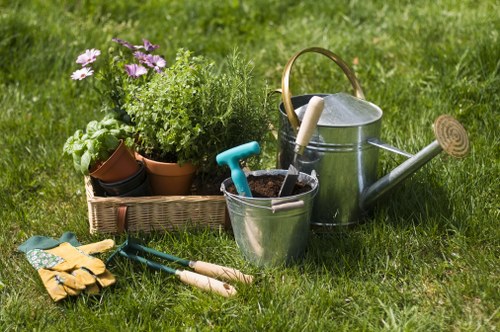
Lawn mowing often sits best within a broader maintenance visit, especially where the rest of the garden needs light attention as well. A neat grass cut can be undermined by overgrown edges, uneven beds or general untidiness around the lawn, so combining tasks can give a cleaner overall result. Where the work is suitable, mowing may be coordinated with other garden tasks so the outdoor space feels more orderly after a single visit rather than needing several separate appointments.
Supporting maintenance can include routine tidying around planted areas, removing light buildup from the lawn boundary and helping the garden feel kept rather than neglected. In practical terms, this is useful where grass growth is only one part of the picture. A customer might want the lawn cut, but also need the garden brought back to a sensible state around paths, borders and seating areas. That approach keeps the main service clear while recognising that outdoor spaces often need more than one small task to look finished.
If you are deciding between a simple mow and a wider refresh, it is usually worth looking at the whole garden rather than the grass alone. Some spaces only need the lawn attended to; others benefit from additional maintenance at the same time. For a broader view of what we can cover, read about garden maintenance.
About Cricklewood
Cricklewood is an area of north-west London that sits across parts of the London Boroughs of Brent, Barnet and Camden, with its name also used for the district around Cricklewood Broadway and the surrounding residential streets. The area developed significantly with the arrival of rail transport in the nineteenth century, and it became better known through the growth of housing, local industry and retail activity along the main roads. Cricklewood Broadway remains one of its defining corridors, linking everyday shops, older buildings and a busy urban streetscape that reflects the district’s layered development. Nearby landmarks include Gladstone Park to the north-west, which offers open views and walking routes, and the Grand Union Canal farther west, part of the wider network of waterways that shaped north London’s movement of goods and people. The area’s built environment mixes terraced housing, interwar streets and later apartment blocks, while some older public houses, civic buildings and commercial frontages continue to mark earlier phases of the district’s history. Cricklewood also has strong transport connections, with rail and bus routes helping to tie it to neighbouring parts of London. That blend of infrastructure, housing and long-running local trade has given the area a practical, lived-in character rather than a single uniform identity. As a result, it is often understood less as a formal centre and more as a stretch of connected streets and landmarks that have grown together over time, shaped by travel, commerce and the changing uses of land.
Hedge trimming and lawn edges
Although the main service here is lawn mowing, the overall appearance of a garden is often affected by what sits beside the grass. Hedges that overhang a lawn can cast shade, drop debris or make the edges harder to cut cleanly. Trimming back what affects the lawn can therefore help the mowing look sharper and can also make future visits easier. The key is to treat the hedge and the grass as connected parts of the same outdoor space rather than separate visual problems.
Edge work is particularly useful where lawns meet narrow borders, walls, fences or steps. These are the places where a mower can struggle to leave a precise line, and they are often the places a visitor notices first. Careful trimming around these boundaries gives the lawn a finished shape, especially when the turf is visible from a main entrance or patio. When the surrounding growth is under control, the grass itself can take centre stage without looking boxed in.
If the garden needs both a sharper outline and a cleaner cut, it may be sensible to include more than one task in the same visit. Our hedge trimming service explains the kind of work that can support a tidy boundary and help the lawn present well.
Cutting methods for different lawn conditions
Not every lawn should be treated the same way. Short, even turf in a simple layout can usually be handled differently from a longer, patchier lawn with slopes, soft ground or close planting. The point is not to force every space into one routine, but to work with the actual condition of the grass. That means judging the height of the growth, the shape of the area and whether the surface can take a full pass without creating damage.
Some lawns benefit from a gentler approach, particularly if they have been left for longer than usual or if recent weather has made the ground less firm. In those situations, the emphasis may be on restoring order gradually rather than taking too much off at once. For a more established lawn, a regular cut can keep the finish even and reduce the amount of corrective work needed later. Either way, the aim is to protect the lawn while improving how it looks.
When a lawn has a few problem spots, it often helps to deal with them carefully rather than pretending they do not exist. Uneven corners, rough patches and awkward access points may take more attention, but they are also the places that define the final result. A thoughtful cut is usually the best cut, especially where the garden is visible from everyday living areas.
Clear pricing factors for mowing work
Quoted work for lawn mowing is usually shaped by a few practical details rather than by a simple size-and-price formula. The grass height, the overall area, the condition of the edges and any awkward access points can all affect the time and care required. Where a garden is straightforward, the job may be relatively direct; where the lawn is overgrown, broken into sections or difficult to reach, more attention is needed. A fair quotation should reflect the work involved.
It is also sensible to consider whether the mowing is a one-off visit or part of a regular pattern. Routine cuts often follow a more predictable shape, while one-off restoration work may involve extra tidying and slower progress through the space. If you are comparing options, the best starting point is a clear description of what the lawn looks like now and what you want it to look like after the visit. That gives the quotation something concrete to respond to.
For a simpler next step, you can contact us for a quotation and outline the lawn, access and the kind of finish you want.
When mowing works best as part of wider landscaping
Some outdoor spaces improve when the grass is considered alongside the rest of the garden design. A lawn can anchor a layout, but only if the surrounding surfaces, plants and features are all in reasonable order. When mowing is coordinated with other work, the result can feel more balanced because the grass no longer sits beside neglected edges or incomplete ground treatment. That does not mean every job needs a full redesign; it simply means the mowing should suit the wider shape of the space.
Where the garden is being refreshed, lawn care may form one part of a larger sequence of improvements. A cleaner grass cut can support paths, beds, borders and seating areas by making the whole layout easier to read. This is particularly useful where an outdoor space has become visually cluttered and needs a more unified appearance. The main point is to avoid treating the lawn as an isolated strip when it actually belongs to a fuller garden arrangement.
If you are planning several changes at once, it can help to look at the broader options before deciding how to proceed. Landscape gardening may be relevant where the lawn is only one part of the work you want done.
Choosing the right level of garden support
Some customers only need the grass cut. Others want the lawn looked after as part of a recurring maintenance pattern. The right choice depends on how the garden is used, how quickly the grass grows and whether the surrounding areas stay in decent condition between visits. A simple mowing visit is often enough for a smaller, tidy space, while a fuller maintenance approach is useful where the overall garden quickly loses shape.
It can also help to think about how much of the outdoor area is visible from daily living spaces. If the lawn is the first thing seen from the kitchen, lounge or entrance path, its finish may matter more than in a hidden corner. In that case, a regular cut and tidy edge can make a noticeable difference without requiring a major intervention. Where the garden is more complex, a combined service may be the more sensible option.
If you would like to see what is covered across the wider range of outdoor work, view the services overview and decide how the mowing fits into your plans.


